This is a plant that I never thought would do well living on the windowsill with no artificial aids, but it is thriving.

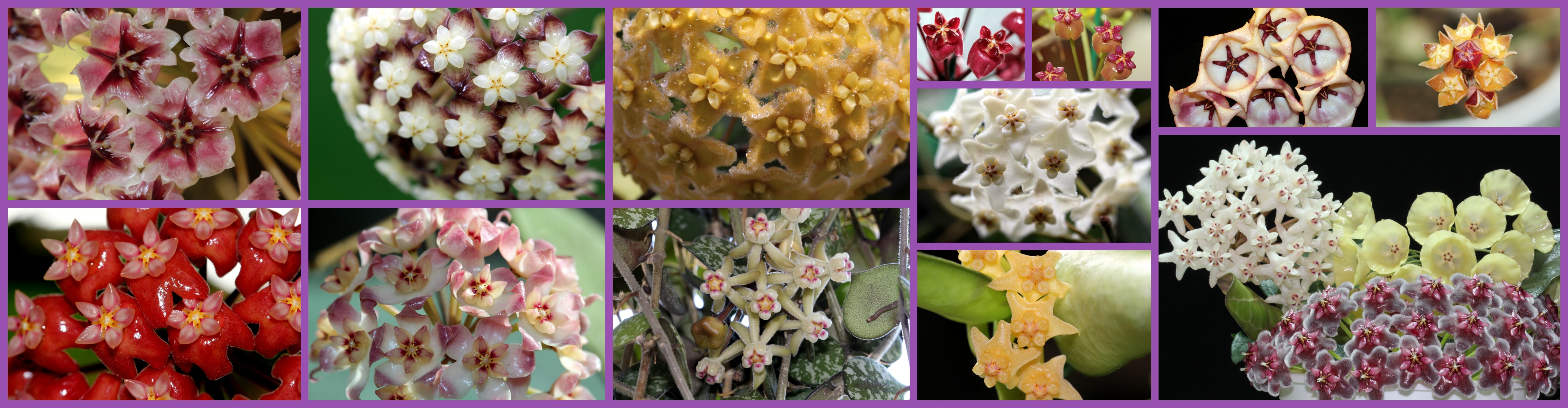
This is a plant that I never thought would do well living on the windowsill with no artificial aids, but it is thriving.
I think that Hoya pulleana may be my pick for the Hoya that earns the title The King of All Hoya Bloomers. It has never stopped flowering since it first flowered. I don’t think it is possible for it to stop! A photo from this morning:

My journey with Hoya chinghungensis was a long and fruitful one. During the pandemic when vendors were selling a single 3 inch cutting of this plant for well over $100, I sold full pots with six to eight cuttings for the same price. I first acquired this plant in the early 2000s from Alea Garden in Thailand and it slowly over time grew into a large plant. I sold hundreds of cuttings over many years, and the descendants of these plants are likely the source for most US specimens you see today.
Hoya chinghungensis falls into that category of Hoya that I could grow well once, but no longer can. I have repeatedly started this one over, and it fails every time. This week after I took the photos below, I noticed that all of the leaves were shriveled from root rot. That was the end for that plant; it went into the wastebin of history. Considering the plant was with me for 15 to 20 years, I don’t feel too bad about finally giving it up. Eventually all of our plants will have to be given up anyway. RIP Hoya chinghungensis!


It is unfortunate that this Hoya will never grow a leaf after it begin flowering. I don’t think that I will have it with me much longer. Here is a photo from this morning:

Here is a new photo of H. sp. EPC-209 With a Paper Filter Overlay from my photo processing software. I think that it shows the plant and flowers off quite nicely.

I took a lot of time with this Hoya, it was a 10-year odyssey from the first time I spied it until I was able to flower it myself so you will have to cut me some slack. I believe there are a couple of different forms of this plant. My flowers are yellow with flecks of purple, and the one that got me so interested in the plant was white with a lot of blue/purple. I will be satisfied with blooming my form and not seek out the other. This is an exceptionally difficult Hoya to cultivate—one of the hardest to grow in my 20-plus years in the hobby. I can’t really recommend this one to anyone other than the most diehard Hoya enthusiasts looking for a serious challenge. I am happy though that I had the fortitude to stick it out, and it gives me a feeling of achievement.


You will probably all be super happy that this is the last comparison photo, but it did give me plenty of material to fill this daily blog with!


