I love these two flowers together!

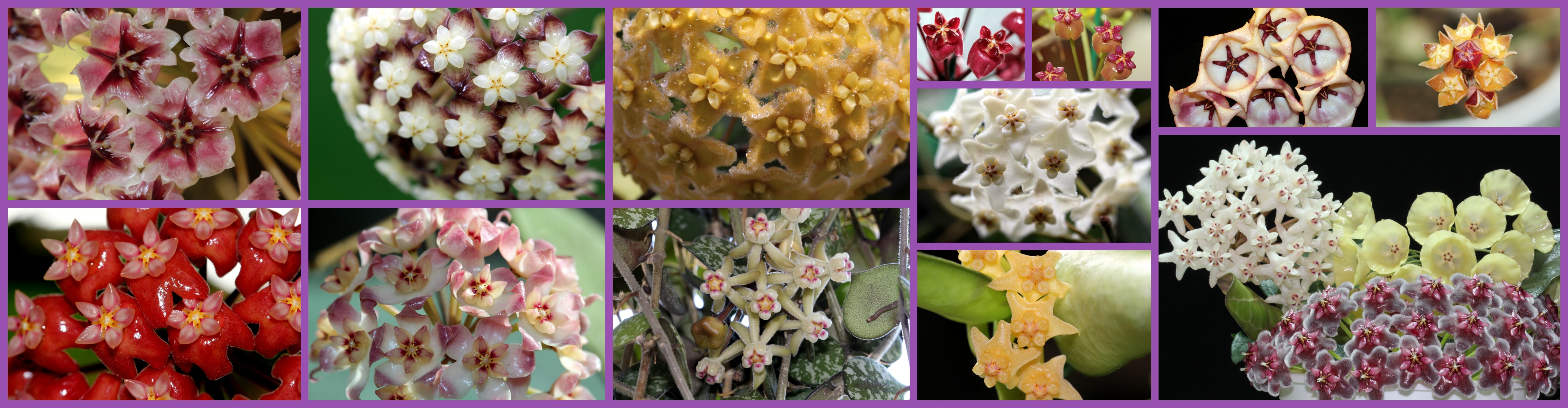
I love these two flowers together!
The title says it all!

Finally at the end of December Hoya obcordata flowered for the first time. The flowers were not fully open when I snapped this shot of the stunning blooms:

My little plant grew exceptionally well, and got up-potted a couple of times and ended up in a 4 inch clear orchid pot. I grew it the way that I grow most of my Hoyas in coconut husk chunks. This species is also supposed to be very closely related to H. serpens, but it flowers so much easier with no need to increase the photoperiod. My plant budded up and blasted the first several sets of buds, but finally in December, they held on until maturity.

Although Hoya obcordata was discovered way back in 1849, it has only within the last few years come back into the plant trade. I saw one in flower for the first time on Facebook in late 2024, and new I wanted to give it a try. I found a very small starter on Etsy in May of last year and ordered it up. Below a start of Hoya obcordata:

A recent paper (November 2025) published in the Singapore Garden Bulletin, Hoya obcordata is now considered a synonym of H. nummularia. In this same publication Hoya tengchongensis is also now considered to be a synonym of Hoya nummularia.

Name means heart-shaped leaf tip (ob means “reversed shape” and cordate means heart-shaped. Leaves are heart-shaped with the broad indented portion towards the tip. So the name means reverse heart-shaped and with tomorrow being Valentines Day, it is kind of appropriate.

This species was found between 1219 and 1829 meters in a tropical montane forest. This makes it a plant that does well in cool growing conditions.

Hoya obcordata was discovered by Joseph Dalton Hooker in 1849 in Sikkim, India. Sikkim is the least populous and second smallest of the Indian states. It is notable for its biodiversity with alpine and subtropical climates.

Tomorrow I will begin talking about Hoya obcordata, but for now I will leave you with a teaser of the flowers of this beautiful little species.
